
What is a herbalist
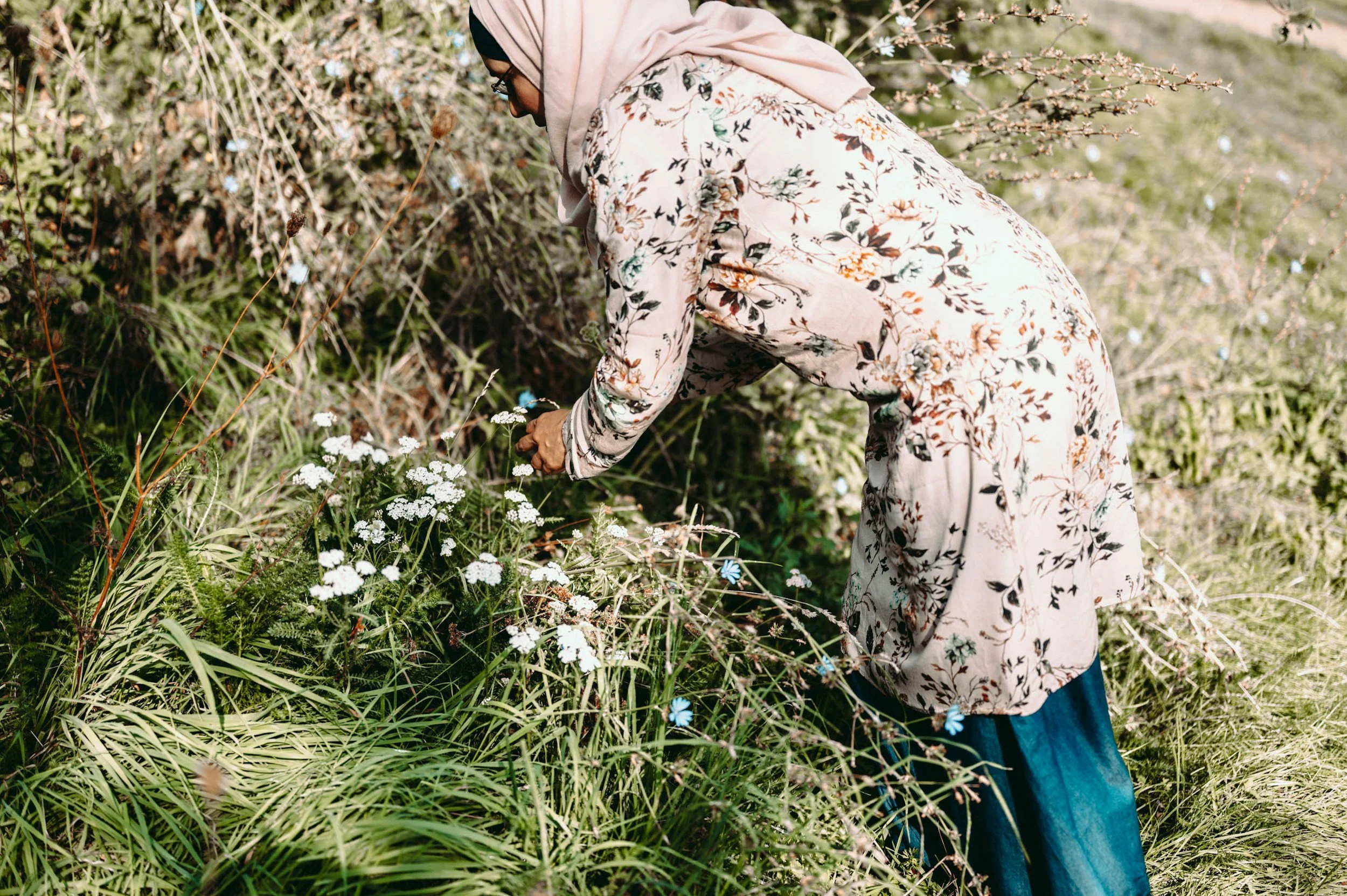
“What is a herbalist? It’s the first time I hear about it!”
When I introduce myself and my new job, that’s the comment I hear most often. Not many people are aware of the existence of herbalism as a profession: you might think it’s got something to do with plants and herbs (obviously), but exactly …what?
Do we grow herbs? Possibly, to complement our main activity… but not exclusively.
Do we teach plant science? Not quite…but we know plants in the context of recognising them, processing them, and using them for the purpose of healing or improving human health.
If you ask Bing or Google, in all likelihood you will get this kind of answer:
“A herbalist is a practitioner who uses plants for healing.” Mmmmm…quite vague!
“A herbalist is a practitioner who uses plants and plant-based remedies to promote health, treat illnesses, and address well-being, taking a holistic approach by looking at underlying causes, not just symptoms, and offering personalized plans that can include diet, lifestyle changes, and herbal formulations like teas, tinctures, or creams”. A bit better!
Indeed, this is what a herbalist does. But how do you get to learn enough about health, diseases, root causes of illness, and personalised use of plants to help people heal?
This is where we need to get a bit more specific, and re-phrase our question:
“What is a medical herbalist?” it’s more the right question to ask.
Because a lot of people could have folk knowledge, family knowledge, familiarity and an interest in plants and their medicinal applications. And they could legitimately call themselves herbalists, right?
Indeed, as the job of herbalist is not a statutory-regulated one.
However, in the UK, the profession of “Medical Herbalist” is self-regulated and accredited by professional associations such as the National Institute of Medical Herbalists, or the European Herbal and Traditional Medicine Practitioners Association (EHTPA). These professional bodies set high standards of education and continuous professional development for their members, ensuring adequate training, professionality and competence.
So the answer to “What is a medical herbalist?” is:
“A qualified health practitioner, holding a Level 6 Diploma in Herbal Medicine or BSc degree, who has studied orthodox medicine (anatomy, pathophysiology, clinical examination) as well as plant medicine and is trained in the same diagnostic skills as a GP; a professional who has trained for 500+ hours in clinical settings, observing and taking patient cases, dispensing medicines in form of tinctures, cream, ointments, capsules, or teas, before undergoing a rigorous Final Clinical Exam to be allowed to apply for professional membership.”
So if you have heard something about using herbs for health purposes, and you would like to explore this further, rest assured that by consulting with a qualified Medical Herbalist, member of an accrediting association (NIMH, ANP, CPP, URHP are the main UK professional bodies), you are getting high quality advice, by a fully insured healthcare professional, whose training and competence have been acquired over a period of 3-6 years, and therefore you can trust they will safely and skilfully provide you with truly holistic and personalised care, as they have been specifically taught so.
